
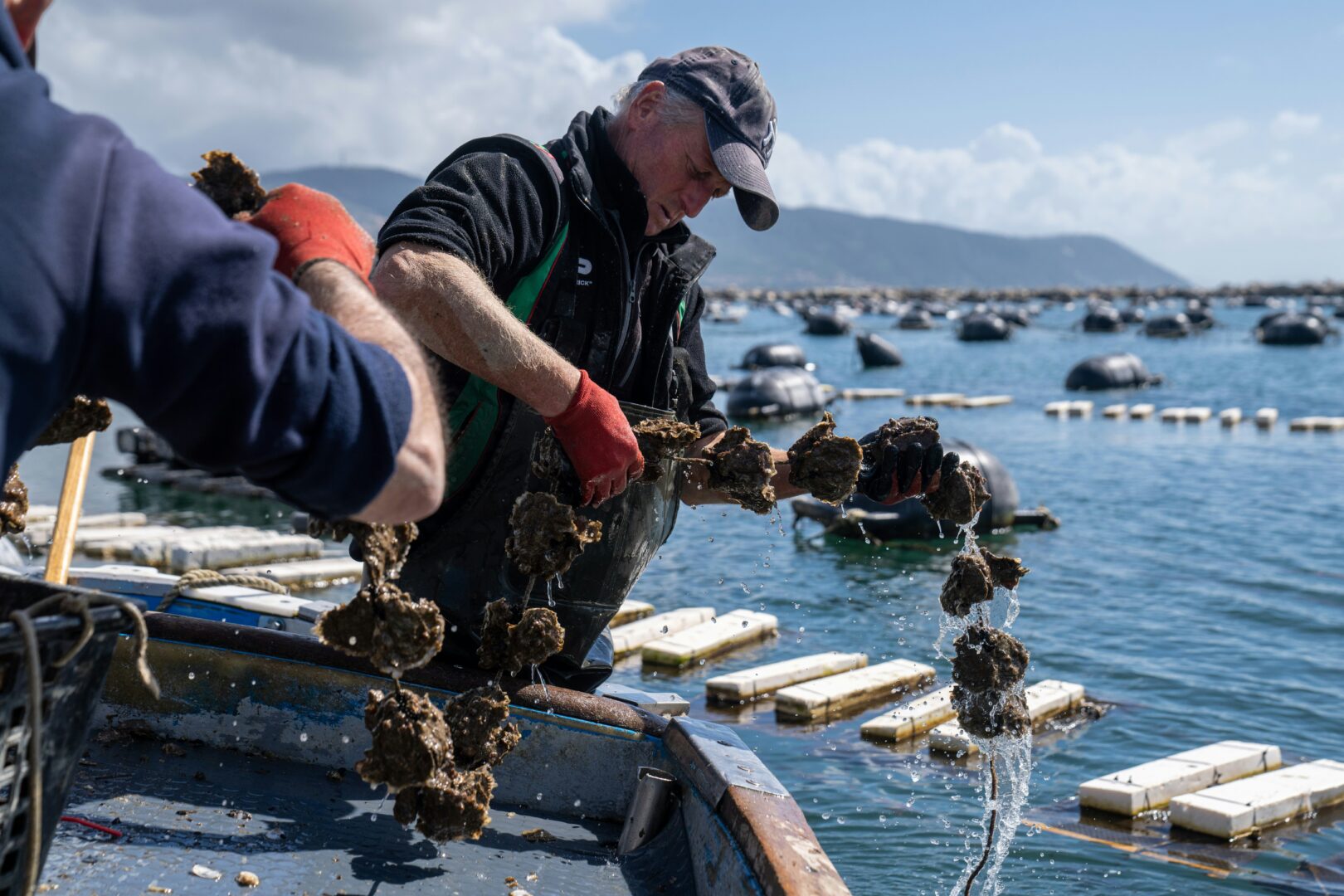
Photo by Mitili Mitili on Unsplash
What the FAO’s Latest Report Tells Us
More than half of global aquatic animal production now comes from farms rather than wild capture, marking a pivotal threshold highlighted in the FAO’s State of World Fisheries and Aquaculture 2026 report.
Global Statistics & Farm Impact
Key findings from the FAO report reveal:
- Record production: Global fisheries and aquaculture reached a record 235 million tonnes in 2024.
- Farmed milestones: Farmed aquatic animals surpassed 100 million tonnes for the first time, reaching 103 million tonnes.
- Market share: Aquaculture provides 53% of all aquatic animal production.
- Growth trends: Almost all sectoral growth since the late 1980s stems from aquaculture as wild catches leveled off.
- Future outlook: Production is projected to continue expanding to 214 million tonnes by 2034.
Higher stocking densities make water quality paramount. Increased biological load consumes dissolved oxygen faster and generates more waste, driving farms to transition from manual spot-checks to automated continuous monitoring.
Where SENSBLUE MONARCH Fits
SENSBLUE MONARCH addresses these high-density operational needs. Powered by solar energy and internal batteries, it connects via cellular or Wi-Fi to deliver continuous sensor telemetry directly from ponds and tanks, ensuring farmers maintain full operational visibility from anywhere.

FAQ´S
Is farming now bigger than wild fishing?
For aquatic animals, yes. Aquaculture accounts for 53% of global production, according to the FAO.
Where is the sector heading?
The FAO projects continued growth through 2034, driven by technological expansion and sustainable farming practices.